
Cheapest SR-22 Insurance for Delivery Drivers — Arizona
Free to compare
The Two-Policy Problem Most Delivery Drivers Miss
You received your Arizona suspension notice for DUI, driving uninsured, or excessive points. You also drive 20-30 hours per week for DoorDash, Uber Eats, Instacart, or Amazon Flex. MVD told you that SR-22 filing is required for reinstatement, so you called your current carrier. They either denied coverage outright because of delivery work or quoted a rate above $300/month with no commercial endorsement. Most suspended delivery drivers assume they need one policy that covers both personal driving and gig work while carrying the SR-22 certificate. That policy does not exist in Arizona's non-standard market.
The structural reality: Arizona SR-22 carriers writing high-risk personal auto will not add commercial use endorsements to suspended-driver policies, and commercial gig-work insurers do not file SR-22 certificates. You satisfy both requirements by splitting them across two separate policies — a non-owner SR-22 policy that handles the state filing requirement, and a separate commercial hired/non-owned liability rider or occupational accident policy through your delivery platform that covers your gig work. Most drivers waste weeks trying to find the one-policy solution their suspension letter implied they needed.
“Arizona SR-22 carriers will not add commercial endorsements to suspended-driver policies, and gig insurers do not file SR-22 certificates.”
Compare Arizona Insurers That File SR-22s
Get My Arizona SR-22 Auto Insurance Quote$95–$160/mo
AZ Two-Policy Monthly Cost
Non-owner SR-22 policy averages $65-$110/month for suspended drivers in Arizona. Platform commercial coverage (DoorDash occupational accident, Uber third-party liability) adds $30-$50/month. Combined cost stays under $160/month for most metro-Phoenix drivers with clean commercial driving records.
Based on Arizona non-standard carrier filings and gig platform insurance disclosures, 2025
Why SR-22 Carriers Refuse Delivery Endorsements
Arizona SR-22 specialists — Dairyland, The General, Bristol West, Progressive non-standard, GAINSCO — write policies for drivers coming off DUI suspensions, points accumulations, or uninsured accidents. Their underwriting models price personal-use risk: commute miles, household drivers, garaging location. Commercial use introduces frequency exposure they cannot price accurately in a personal auto filing. A DoorDash driver logs 800-1,200 miles per month in stop-and-go traffic, parks illegally during pickups, and operates during peak accident hours. That exposure profile does not fit the personal-use rate structure filed with Arizona Department of Insurance.
When you ask an SR-22 carrier to add a commercial endorsement, underwriting either declines the policy entirely or re-prices it as a true commercial auto policy with minimums Arizona does not require for gig work. The resulting premium — $350-$500/month for a single-vehicle commercial policy with SR-22 — exceeds what most delivery drivers earn net after vehicle costs. The carrier is not punishing you for gig work; the rate reflects the actuarial cost of insuring a high-frequency commercial driver with a suspension on record.
Platform-provided coverage solves half the problem but does not satisfy Arizona's SR-22 filing requirement. DoorDash's occupational accident policy covers medical costs if you are injured while dashing, but it is not liability insurance and does not trigger an SR-22 filing to MVD. Uber and Lyft provide contingent liability coverage while you are actively transporting a passenger or food order, but that coverage does not apply during personal errands and does not generate the certificate Arizona requires for reinstatement. You still need a personal auto policy or non-owner policy carrying the SR-22 endorsement filed directly to Arizona MVD.
Arizona MVD does not care what kind of driving you do for income. The SR-22 filing requirement is about proving financial responsibility for personal driving, not insuring your delivery work.


Commercial Coverage Layers for Active Delivery
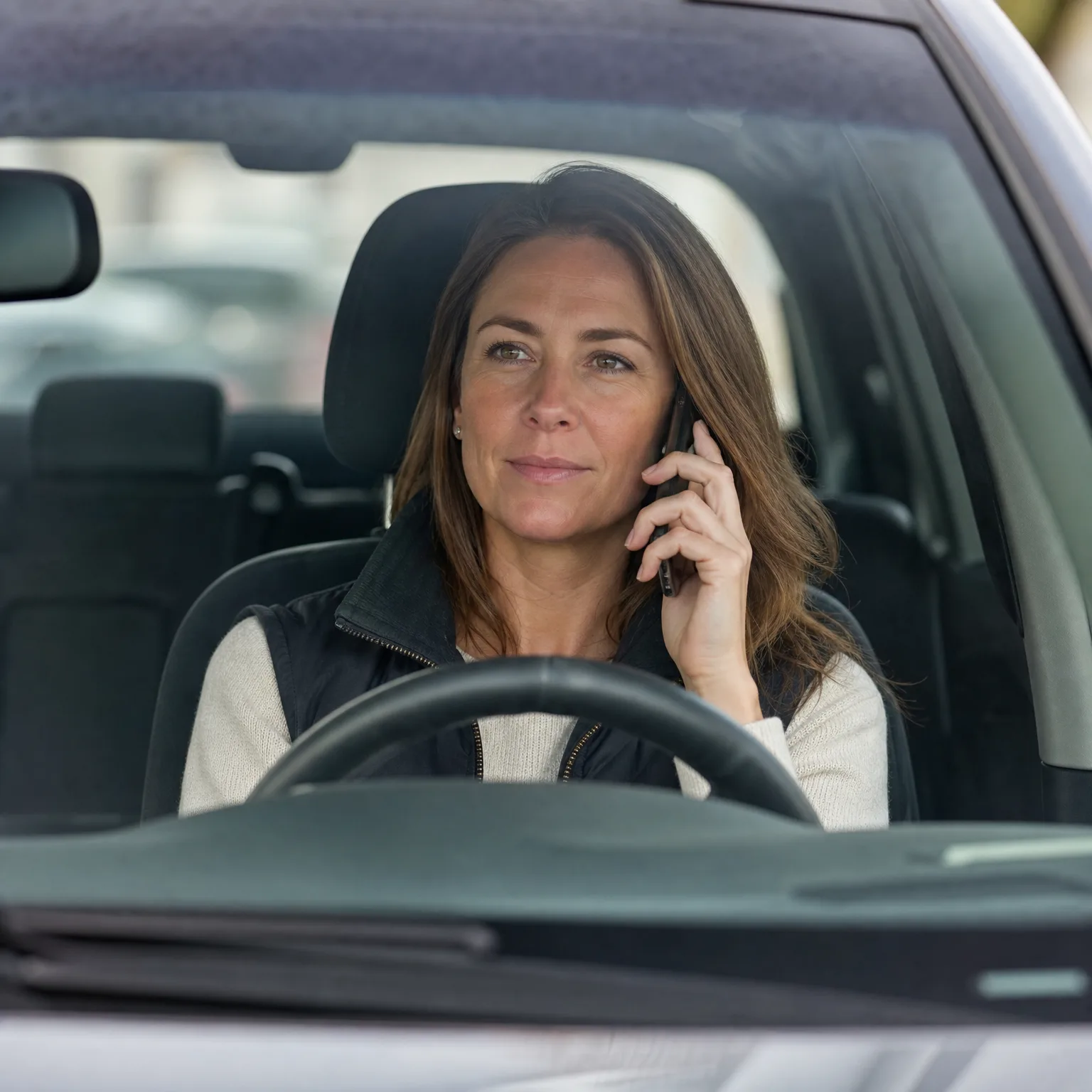
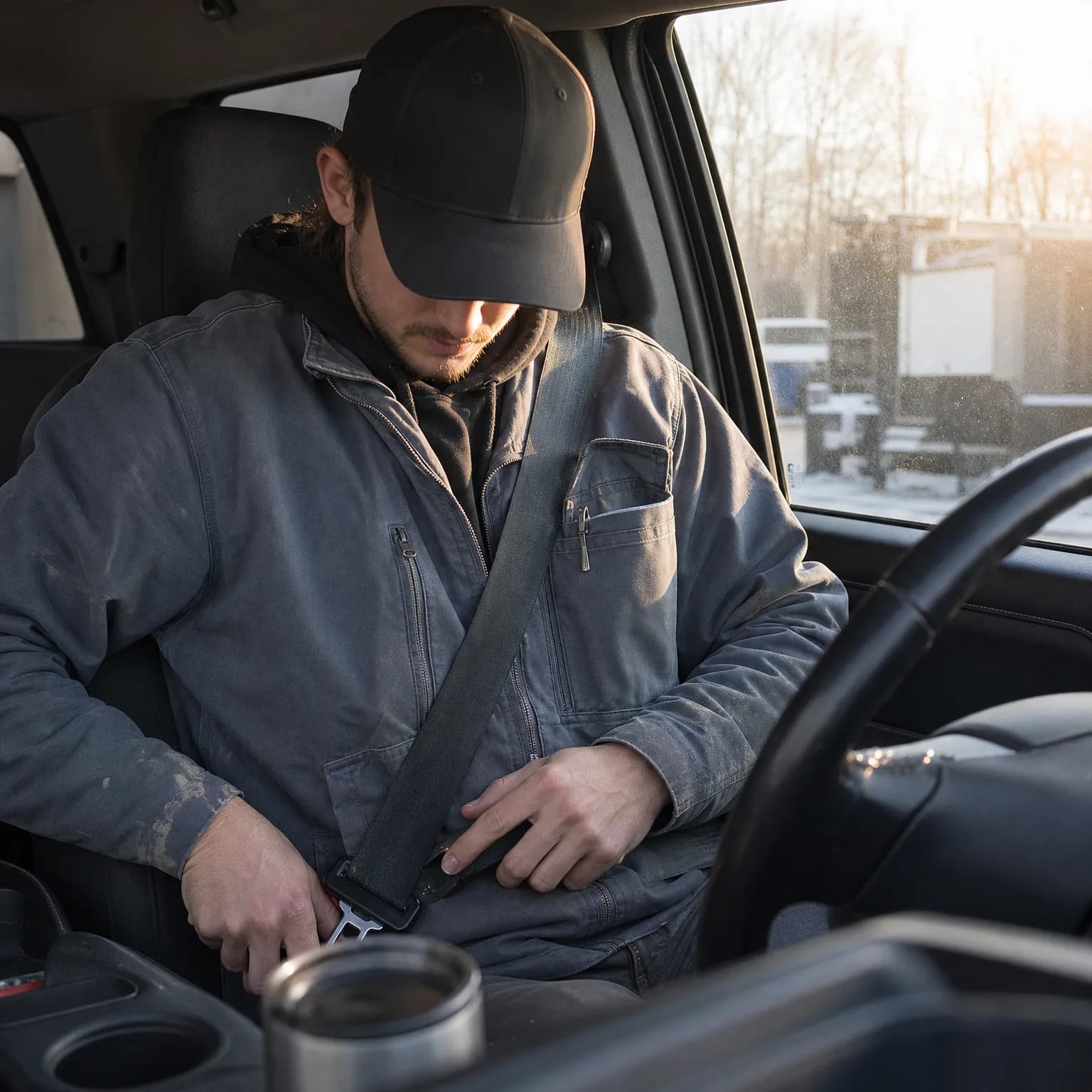
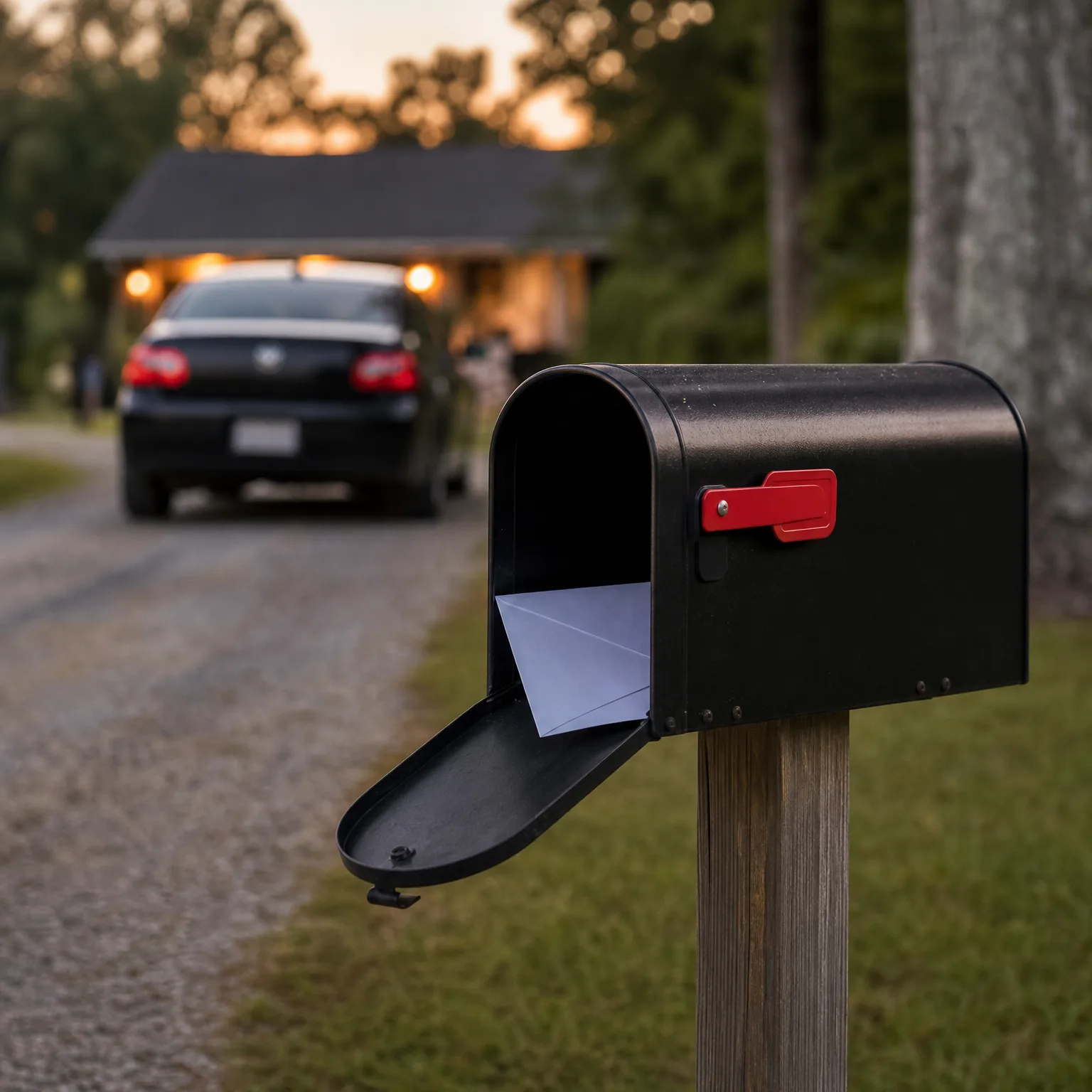
Your delivery work splits into three exposure periods, each with different coverage requirements. Period 1: app is off, you are driving for personal reasons. Your non-owner SR-22 policy covers this. Period 2: app is on, you are waiting for an order or driving to a pickup. Platform contingent liability does not apply yet; you need a commercial hired/non-owned rider or occupational accident policy to cover this gap. Period 3: order is active, you are en route to delivery or transporting a passenger. Platform contingent liability now applies — DoorDash, Uber Eats, Instacart, and Amazon Flex all provide $1 million in third-party liability during active delivery.
The gap is Period 2. Most gig platforms sell or require a supplemental policy covering logged-in time between orders. DoorDash partners with Hiscox and NEXT Insurance for occupational accident coverage at $30-$45/month. Uber and Lyft require rideshare endorsements from your personal carrier or a separate commercial policy; because you are suspended and using a non-owner SR-22 policy, you cannot add a rideshare endorsement. Amazon Flex requires commercial hired/non-owned coverage verified before your first route. NEXT Insurance, Hiscox, and Thimble all write monthly gig-work policies in Arizona without requiring SR-22 integration — they cover the delivery activity, not the personal driving that triggered your suspension.
If you own the delivery vehicle and it is titled in your name, the non-owner path does not work. You need a standard personal auto policy with SR-22 endorsement covering the titled vehicle, plus explicit exclusion language or separate commercial coverage for gig work. At that point the two-policy strategy costs $180-$280/month because the personal SR-22 policy now insures a titled vehicle at full collision/comprehensive limits. Most delivery drivers in this position either retitle the vehicle to a household member (spouse, parent) and switch to non-owner SR-22, or pause gig work entirely during the SR-22 filing period to avoid the commercial underwriting conflict.
3 years
Arizona SR-22 Filing Period
Arizona requires continuous SR-22 filing for 3 years following most DUI, uninsured driving, and points-based suspensions. The clock starts from your reinstatement date, not your violation date. Letting the policy lapse at any point during the 3-year window triggers automatic re-suspension and restarts the filing requirement.
Arizona Revised Statutes § 28-4135
Cost Breakdown and Carrier Availability
Metro Phoenix delivery drivers with one DUI and no other violations on record pay $75-$95/month for non-owner SR-22 through Dairyland or The General. Add $35-$50/month for DoorDash occupational accident or NEXT Insurance gig liability, and total monthly insurance cost runs $110-$145. Rural Arizona (Yuma, Flagstaff, Prescott) adds 10-15% to non-owner SR-22 rates due to fewer carrier options and higher uninsured motorist exposure.
If your suspension stems from multiple violations — DUI plus reckless driving, or excessive points plus an at-fault accident — non-owner SR-22 premiums rise to $120-$160/month. GAINSCO and Bristol West write higher-risk profiles Dairyland declines, but their rates start 20-30% above Dairyland's base. Combined with gig coverage, expect $155-$210/month total.
Next Steps: Filing Before You Drive
Start with the non-owner SR-22 quote. Contact Dairyland, The General, or GAINSCO directly or use an independent agent licensed in Arizona who writes non-standard auto. Provide your suspension notice, driver license number, and the reinstatement fee receipt from Arizona MVD. The carrier files the SR-22 certificate electronically to MVD within 1-3 business days of policy binding. Do not begin delivery work until MVD confirms reinstatement and your commercial gig policy is active — driving on a suspended license while carrying SR-22 insurance does not protect you; the suspension must be formally lifted first.
Once reinstated, maintain both policies continuously for the full 3-year filing period. If your non-owner SR-22 policy lapses for any reason — missed payment, non-renewal, cancellation — Arizona MVD receives automatic notification and re-suspends your license the same day. Compare SR-22 carriers annually during your renewal window; rates drop 10-20% after 12 months of clean driving, and you can switch carriers mid-filing-period without restarting the 3-year clock as long as there is no coverage gap.
The Non-Owner SR-22 Path for Delivery Drivers
A non-owner policy provides liability coverage when you drive a vehicle you do not own — a borrowed car, a rental, or a household member's vehicle. It does not cover a vehicle titled in your name. Critically, it can carry an SR-22 endorsement filed to Arizona MVD, satisfying the state's proof-of-financial-responsibility requirement during your suspension period. Dairyland, The General, GAINSCO, Progressive, and Bristol West all write non-owner SR-22 policies in Arizona for suspended drivers. Monthly premiums average $65-$110 depending on your violation history, age, and ZIP code.
The non-owner policy does not cover your delivery driving. It covers personal use of non-owned vehicles only. Your gig work is covered separately by the platform's contingent liability policy (active delivery periods) and your own occupational accident or commercial hired/non-owned rider (gaps between orders, deadhead miles). Arizona does not require you to disclose gig work to your non-owner SR-22 carrier because the policy explicitly excludes commercial use. You are not hiding income — you are buying coverage that matches the narrow use case the policy was designed for.
Get Your Free Quote
Get My Arizona SR-22 Auto Insurance QuoteFrequently Asked Questions
Can I use my DoorDash insurance to satisfy Arizona's SR-22 requirement?
No. DoorDash's occupational accident policy covers your medical costs if injured while dashing, but it is not liability insurance and does not generate an SR-22 certificate filed to Arizona MVD. You need a separate non-owner or personal auto policy with SR-22 endorsement to meet the state's reinstatement requirement.
What happens if I let my non-owner SR-22 policy lapse while still doing delivery work?
Arizona MVD receives electronic notification the same day your SR-22 policy cancels or lapses. Your license is re-suspended immediately, and you must pay a new reinstatement fee and restart the 3-year SR-22 filing period from the new reinstatement date. Your gig platform will deactivate your account once the suspension hits their background check system.
Do I have to tell my non-owner SR-22 carrier that I drive for Uber Eats?
No. Non-owner policies explicitly exclude commercial use, so your gig work is not covered under that policy and does not need to be disclosed. Your delivery driving is covered separately by the platform's contingent liability policy and your own commercial hired/non-owned rider.
How much does SR-22 insurance cost for delivery drivers in Arizona?
Non-owner SR-22 policies average $65-$110/month for suspended drivers in Arizona. Add $30-$50/month for gig-work commercial coverage through DoorDash, NEXT Insurance, or Hiscox. Total cost runs $95-$160/month for most metro-Phoenix drivers with one violation on record.
Can I switch SR-22 carriers during my 3-year filing period?
Yes. You can switch carriers at any time as long as there is no coverage gap between policies. The new carrier files an SR-22 certificate to Arizona MVD, and the 3-year clock continues uninterrupted. Most drivers save 10-20% by comparing carriers annually after their first year of clean driving.
What if I own the car I use for deliveries?
If the delivery vehicle is titled in your name, you cannot use a non-owner SR-22 policy. You need a standard personal auto policy with SR-22 endorsement covering the titled vehicle, plus separate commercial coverage or explicit exclusion language for gig work. This setup costs $180-$280/month. Many drivers retitle the vehicle to a spouse or household member to qualify for cheaper non-owner SR-22.